
19 May How to Welcome Wildlife onto Your Balcony
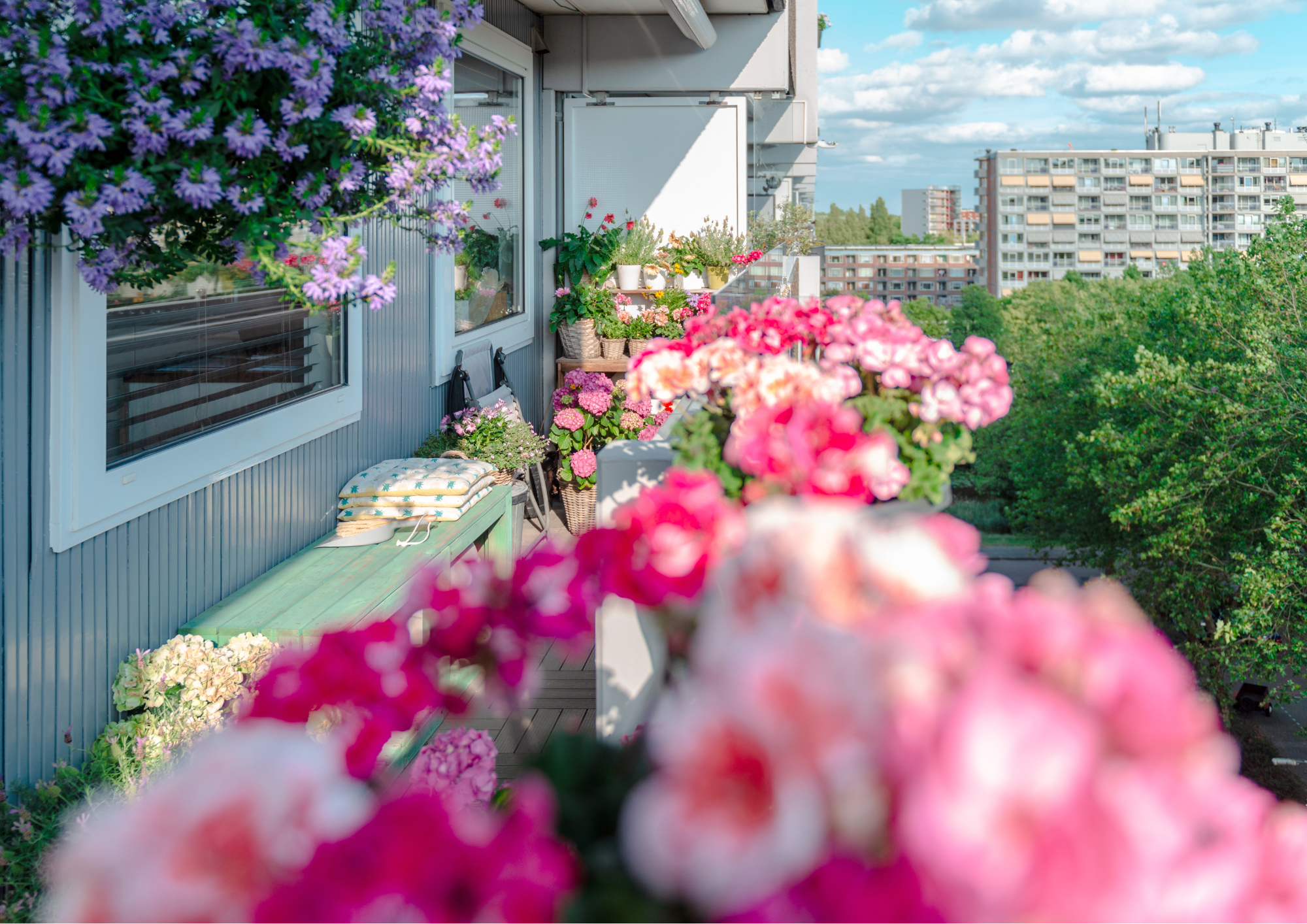
When people think about wildlife gardening, they often picture large gardens with ponds, flower borders and mature trees. But the reality is that even the smallest outdoor spaces can make a genuine difference to local wildlife, including balconies.
In towns and built-up areas especially, balconies can become important stepping stones for pollinators and birds moving through urban environments. A few carefully chosen plants and features can help create tiny but valuable habitats high above the ground.
Start with Pollinator-Friendly Plants
One of the simplest ways to support wildlife on a balcony is by growing nectar-rich flowers. Bees, butterflies and hoverflies are always searching for food sources, particularly in spring and summer. Good balcony-friendly options include:
- Lavender
- Salvia
- Verbena
- Marjoram
- Thyme
- Cosmos
- Nasturtiums
Herbs are particularly useful because they provide flowers for pollinators while also being practical for cooking. Even a few pots can quickly attract insects once they begin flowering. Try to choose a variety of plants that flower at different times of year so there is always something available for wildlife.
Think Vertically
Balconies often have limited floor space, so vertical planting can work really well. Hanging baskets, railing planters and wall-mounted pots allow you to add more greenery without overcrowding the area. Climbing plants can also help provide shelter for insects. Species such as honeysuckle or jasmine may attract pollinators while creating a greener and more shaded environment.
Provide Water Safely
Wildlife needs access to water, especially during warmer weather. A shallow dish filled with water and a few pebbles or stones can provide a safe drinking spot for bees and insects to land on. The key is to keep it shallow and clean, topping it up regularly during dry periods.
Avoid Chemicals
One of the most effective things any gardener can do, regardless of space, is to avoid pesticides and weedkillers where possible. Many common chemicals can harm pollinators and other beneficial insects. Instead, try natural approaches to pest management and accept that a few holes in leaves are often part of a healthy mini ecosystem.
Small Features Can Have Big Impact
Even on a balcony, small wildlife-friendly additions can help:
- Bee hotels
- Small log piles in containers
- Seed heads left standing over winter
- Native plants where possible
- Window boxes filled with flowers
These features may seem modest, but collectively they help increase biodiversity across urban areas.
Taking Part in the Wildlife Garden Awards
One of the encouraging things about the Wildlife Garden Awards is that they are open to all types of outdoor spaces, including balconies, patios and courtyards. The awards focus on practical actions that support wildlife, rather than the size or appearance of a garden. Many of the checklist actions can easily be adapted for smaller spaces.
More importantly, taking part often encourages people to learn more about local wildlife and try new ideas each year. A single balcony may not seem significant on its own, but when many people make small changes together, the combined impact can be enormous.
Sometimes helping wildlife starts with nothing more than a flower pot outside the back door. So why not enter today?