
02 Sep Wildlife-Friendly Gardening Doesn’t Mean Untidy
When people hear the words wildlife-friendly garden, they often imagine an overgrown space full of waist-high grass, weeds and tangled plants. It’s one of the biggest myths about gardening for wildlife—and one that often stops people from getting involved.
The truth is, a wildlife-friendly garden can be every bit as attractive, colourful and well cared for as any traditional garden. It’s not about letting everything grow wild; it’s about making thoughtful choices that create space for nature alongside beautiful planting.
Beauty and Biodiversity Can Go Hand in Hand
Many award-winning wildlife gardens are beautifully maintained. They have neat borders, carefully chosen plants and well-kept lawns—but they also include features that support birds, bees, butterflies and other wildlife. The difference isn’t how tidy the garden looks. It’s how well it works for nature.
Add Pollinator-Friendly Plants
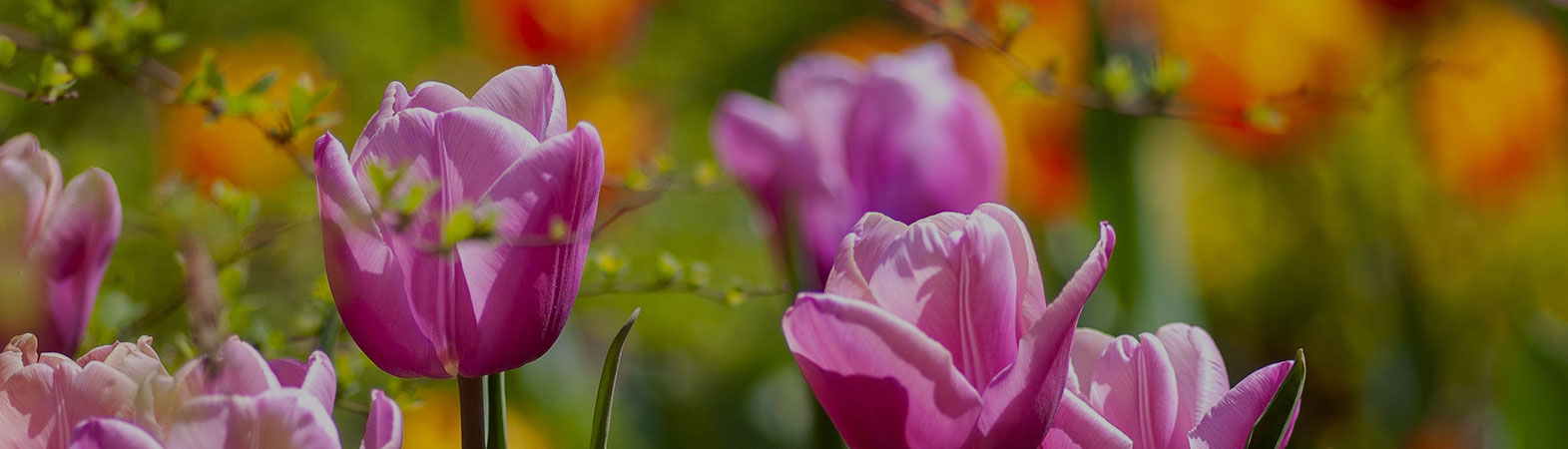
One of the easiest ways to make your garden more wildlife-friendly is by choosing plants that provide nectar and pollen. Lavender, salvia, foxgloves, cosmos, verbena and herbs such as thyme are all favourites with bees and butterflies, while adding colour and interest to your borders. A tidy flowerbed can still be buzzing with life.
Include a Bird Box
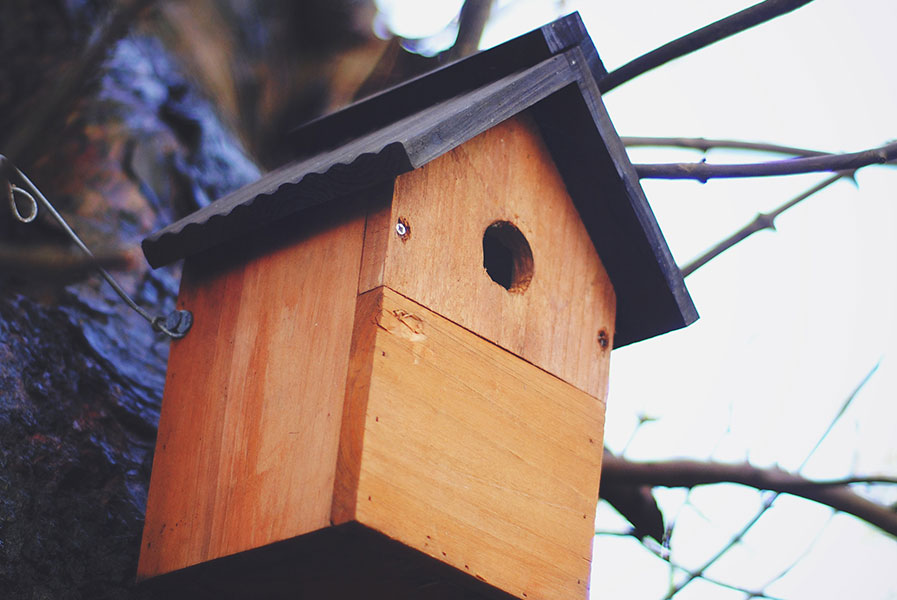
A bird box doesn’t take up much space, but it can provide a safe nesting place for species such as blue tits, robins and sparrows. Positioned carefully on a wall, fence or tree, it blends naturally into the garden while giving birds somewhere secure to raise their young.
Add a Pond—Whatever Its Size
Water is one of the most valuable features you can provide for wildlife. It doesn’t have to be a large formal pond. A small wildlife pond, half barrel or even a pond in a pot can attract birds, dragonflies, frogs and thirsty pollinators. Surrounded by attractive planting, it becomes a beautiful focal point as well as an important habitat.
Create a Hedgehog Highway
Some of the best wildlife-friendly features are almost invisible. A simple 13cm x 13cm gap beneath a fence allows hedgehogs to move safely between neighbouring gardens in search of food and shelter. It’s unlikely anyone would notice it’s there—but hedgehogs certainly will.
Wildlife Gardening Is About Balance
Of course, wildlife does benefit from features such as long grass, log piles and leaf litter, but these don’t need to dominate your garden. Many gardeners simply leave one small corner a little wilder while keeping the rest of the space neat and well maintained. It’s all about balance.
- A tidy lawn can sit alongside a colourful pollinator border.
- A formal patio can include pots filled with flowering herbs.
- A carefully designed garden can still provide food, shelter and water for wildlife.
You May Already Be Doing Enough
One of the most encouraging things about the Wildlife Garden Awards is discovering that many people are already gardening in ways that benefit wildlife. If you have pollinator-friendly flowers, a bird feeder, a bird box, a mature tree, peat-free compost or a water butt, you’re already creating a more welcoming environment for nature. You don’t need to transform your garden overnight—or let it become overgrown—to make a positive difference.
Celebrate What You’re Already Doing
The Wildlife Garden Awards celebrate the simple, practical actions people are taking to support biodiversity, whatever the size or style of their outdoor space. Whether you have a beautifully landscaped garden, a small courtyard, an allotment or a balcony, every wildlife-friendly feature counts.
The Wildlife Garden Awards are free to enter, and the deadline has been extended until 30 September, giving you plenty of time to discover that your garden may already be more wildlife-friendly than you think.
A beautiful garden and a wildlife-friendly garden don’t have to be different things. With a few thoughtful touches, they can be exactly the same. Enter today – click here.