
17 Aug The Four Things Every Wildlife-Friendly Garden Needs
Creating a garden that’s good for wildlife doesn’t have to be complicated. Whether you have a large garden, a balcony, an allotment or a shared courtyard, every wildlife-friendly space is built around the same four essentials. Just like us, wildlife needs food, somewhere to live, access to water and a safe environment in which to thrive.
These four simple principles also form the foundation of the Wildlife Garden Awards, making it easy to see how even small changes can make a big difference.
🌼 1. Food: Without food, wildlife simply can’t survive.
Different species need different food sources throughout the year, so providing a variety of plants and habitats helps support a wide range of insects, birds and mammals. Examples include:
- Nectar-rich flowers for bees and butterflies
- Bird feeders
- Fruit trees and berry-bearing shrubs
- Herbs left to flower
- Vegetable patches
- Seed heads left standing through autumn and winter
By planting flowers that bloom at different times of the year, you can provide food from early spring right through to late autumn.
🏡 2. Shelter: Wildlife needs safe places to rest, breed and shelter from the weather.
Many creatures don’t need elaborate homes—sometimes a pile of logs or a patch of long grass is all they require. Wildlife-friendly shelter can include:
- Log piles
- Stone piles
- Bee hotels
- Bird, bat and hedgehog boxes
- Wildflower patches
- Native hedges
- Mature trees
- Climbing plants
- Areas of longer grass
Even leaving one quiet corner of your garden undisturbed can provide an important refuge for insects and small mammals.
💧 3. Water: Fresh water is essential for almost every form of wildlife.
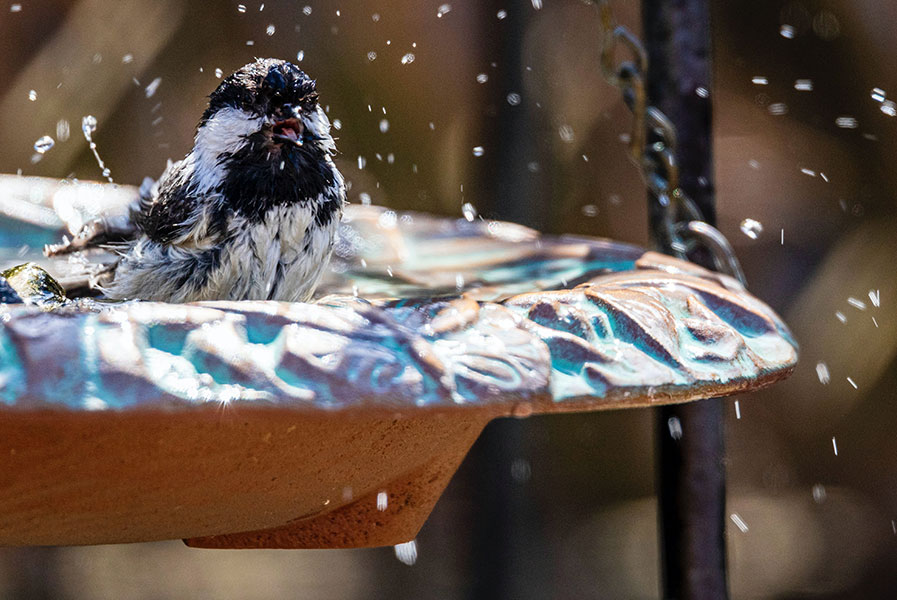
Birds need somewhere to drink and bathe, bees need safe places to collect water, and frogs and dragonflies depend on ponds to complete their life cycles. You don’t need a large pond to help. Wildlife-friendly water features include:
- Bird baths
- Wildlife ponds
- Pond-in-a-pot
- Bog gardens
- Drought-tolerant planting
- Water butts that help conserve rainwater
Even a shallow bowl filled with fresh water can become a welcome stop for wildlife.
🌿 4. Wildlife-Friendly Gardening: Sometimes the most important thing we can do is change how we garden.
Gardening with wildlife in mind creates healthier habitats that support nature all year round. Simple wildlife-friendly practices include:
- Avoiding pesticides and toxic slug pellets
- Using peat-free compost
- Composting garden and kitchen waste
- Collecting rainwater
- Creating gaps for hedgehogs to move between gardens
- Allowing nature to take the lead in parts of your outdoor space
These small choices help create healthier ecosystems where wildlife can flourish naturally.
Every Feature Counts
One of the best things about the Wildlife Garden Awards is that you don’t need to have everything. Perhaps you’ve planted lavender for bees, installed a bird bath and started composting. Maybe you’ve left a patch of grass to grow longer or added a bird feeder.
Every wildlife-friendly feature contributes towards making your outdoor space more welcoming for nature, and every step you take helps create a stronger network of habitats across the Royal Borough.
How Many Can You Tick Off?
Why not take a look around your outdoor space today? You may already be providing food, shelter, water and wildlife-friendly management without even realising it.
The Wildlife Garden Awards are free to enter, and the deadline has been extended until 30 September, giving you plenty of time to discover just how wildlife-friendly your garden, balcony, allotment or community space already is.
Because when we provide the four things wildlife needs, nature has every chance to thrive. Enter today