

17 Aug How to Create a Wildlife Corridor
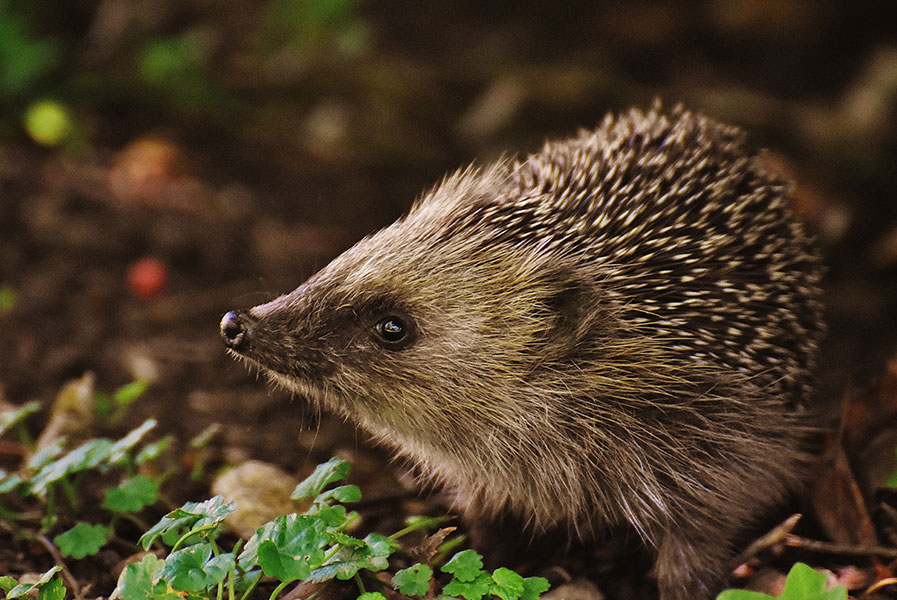
Imagine you’re a hedgehog setting out in search of food after dark. Or a bee looking for the next patch of flowers. Or a butterfly searching for somewhere to rest.
If every garden along your route offers food, water and shelter, your journey is much easier. But if there are long stretches with nowhere to stop, finding what you need becomes much more difficult. This is why wildlife corridors are so important.
What Is a Wildlife Corridor?
A wildlife corridor is a network of connected habitats that allows wildlife to move safely through an area. In towns and villages, our gardens, balconies, allotments and green spaces often form these corridors. One wildlife-friendly garden is wonderful—but ten neighbouring gardens working together can create an incredible lifeline for local wildlife. Every pollinator-friendly flower, bird feeder, pond or hedgehog highway becomes another stop on nature’s journey.
Helping Hedgehogs Find Their Way
Hedgehogs can travel over a mile each night looking for food and mates, but fences and walls can make that journey difficult. A simple 13cm x 13cm gap at the bottom of a fence—often called a hedgehog highway—allows them to move safely between gardens. If several neighbours create these small gaps, an entire neighbourhood becomes much more accessible. It’s a tiny change that can make a huge difference.
Creating a Route for Pollinators
Bees and butterflies need a continuous supply of nectar throughout the growing season. By planting pollinator-friendly flowers, even in pots or window boxes, each garden becomes another feeding station. When neighbouring gardens all provide nectar-rich plants, pollinators can travel further and thrive. Imagine walking down your street knowing that every few metres there’s another colourful patch helping local bees.
Giving Birds Places to Rest
Birds benefit from connected green spaces too. Trees, shrubs, hedges and bird feeders provide places to feed, shelter and nest as they move through our towns. Native hedges are particularly valuable, offering berries, insects and safe cover throughout the year.
Working Together as a Community
One of the best things about wildlife gardening is that it’s even more effective when it’s shared. Why not talk to your neighbours about planting flowers for pollinators or creating a hedgehog highway? You could even swap plants, share gardening tips or work together on small projects that benefit wildlife across your whole street. Every new wildlife-friendly garden strengthens the network.
Invite Your Neighbours to Take Part
The Wildlife Garden Awards celebrate the positive steps people are taking to support nature, whether they have a large garden, a small courtyard or a balcony. Imagine the impact if everyone in your road took part. Together, you’d be creating a connected landscape that supports birds, bees, butterflies, hedgehogs and countless other species.
The Wildlife Garden Awards are free to enter, and the deadline has been extended until 30 September, so there’s still plenty of time to get involved.
Why not challenge your neighbours to enter too? Together, you could create a wildlife corridor that stretches right across your community—one garden at a time. Enter today