
17 Aug Could Your Garden Already Win a Wildlife Garden Award?
If you’ve been thinking, “My garden isn’t special enough to enter the Wildlife Garden Awards,” you might want to think again. One of the biggest surprises each year is how many people already have enough wildlife-friendly features to qualify for an Award—they just don’t realise it.
The Awards aren’t about having a picture-perfect garden or acres of land. They’re about recognising the simple things people are already doing to help wildlife. So, why not take a quick walk around your outdoor space and see how many features you can tick off?
Do You Already Have These?
You may already have…
✅ A bird bath: A simple bird bath provides fresh drinking water and somewhere for birds to bathe, particularly during warm weather. It can also provide water for bees and other insects if you add a few stones for safe landing places.
✅ A compost heap or compost bin: Compost doesn’t just recycle garden waste—it creates a thriving habitat for worms, beetles and other invertebrates while producing nutrient-rich compost for your plants.
✅ Lavender or other pollinator-friendly flowers: If you’ve planted lavender, salvia, foxgloves, cosmos, buddleia or herbs such as thyme, you’re already providing valuable nectar for bees, butterflies and hoverflies.
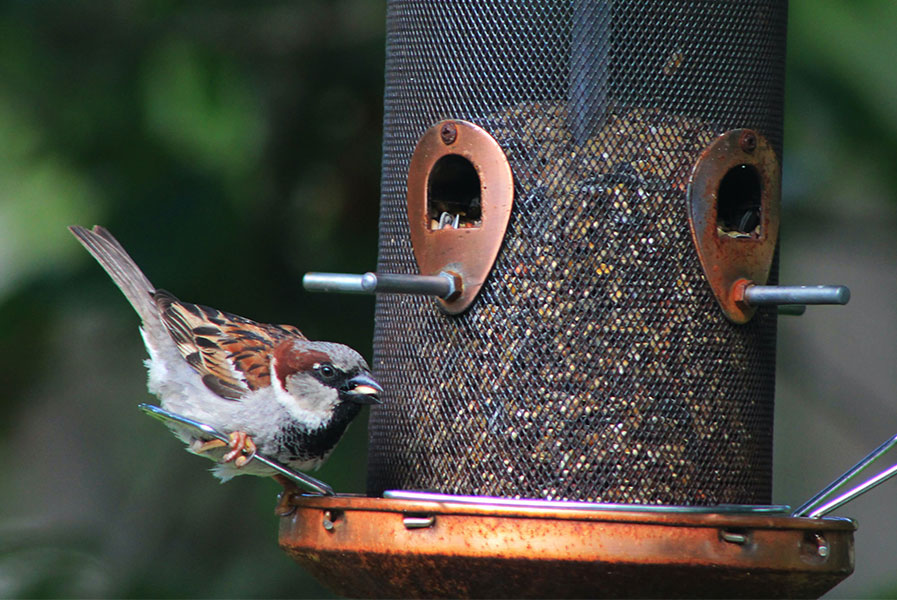
✅ A bird feeder: Bird feeders help support local bird populations throughout the year, especially during colder months when natural food is harder to find. Just remember to clean feeders regularly to keep visiting birds healthy.
✅ A water butt: Collecting rainwater helps conserve water and provides a sustainable way to keep your plants healthy during dry spells. It’s good for your garden and good for the environment.
✅ A mature tree: Trees are some of the richest wildlife habitats we have. They provide nesting sites, shelter, berries, insects and food for an incredible range of species. Even a single mature tree can support hundreds of different forms of wildlife over its lifetime.
It Soon Adds Up
Many gardens have far more wildlife-friendly features than their owners realise. Perhaps you’ve also:
- Left a patch of grass to grow longer.
- Installed a bird or bee box.
- Grown herbs in containers.
- Used peat-free compost.
- Avoided pesticides.
- Created a small pond.
- Left seed heads standing through winter.
Each one brings you another step closer to achieving a Bronze, Silver or even Gold Award.
It’s Not About Perfection
The Wildlife Garden Awards aren’t a competition, and there’s no such thing as the “perfect” wildlife garden. The Awards celebrate progress and encourage everyone to make space for nature, whether that’s through one simple change or years of wildlife-friendly gardening. If you don’t quite qualify this year, the checklist is a great source of inspiration for what you could add next.
Take the Wildlife Garden Challenge
Why not spend ten minutes this weekend walking around your garden, balcony, allotment or community space with the Awards checklist in hand? You may be surprised just how many features you’re already providing for wildlife.
The Wildlife Garden Awards are free to enter, and the deadline has been extended until 30 September, giving you plenty of time to tick off a few more features before submitting your entry.
You might discover that your garden is already award-worthy. All that’s left to do is enter!